
The Rwandan genocide occurred between April 7th and July 15th of 1994. During this period of approximately 100 days, members of the Tutsi minority ethnic group, and members of the Hutu majority ethnic group were killed. It is estimated that as many as 800,000 people lost their lives during this genocide.
Below is an educational video explaining the events that occurred in Rwanda 1994.
How are the survivors and the people of Rwanda doing today? Was there justice for the Rwandan Genocide?
A Human Rights Watch article stated in their 2020 world report that “twenty-five years after the 1994 genocide, a significant number of people responsible for the genocide, including former high-level government officials and other key figures, have been brought to justice. In recent years, the Rwandan government has requested extradition treaties with dozens of countries in an attempt to try remaining genocide suspects in Rwanda. The country is trying to hold those who are responsible for this tragedy to account and make sure that it does not happen again.
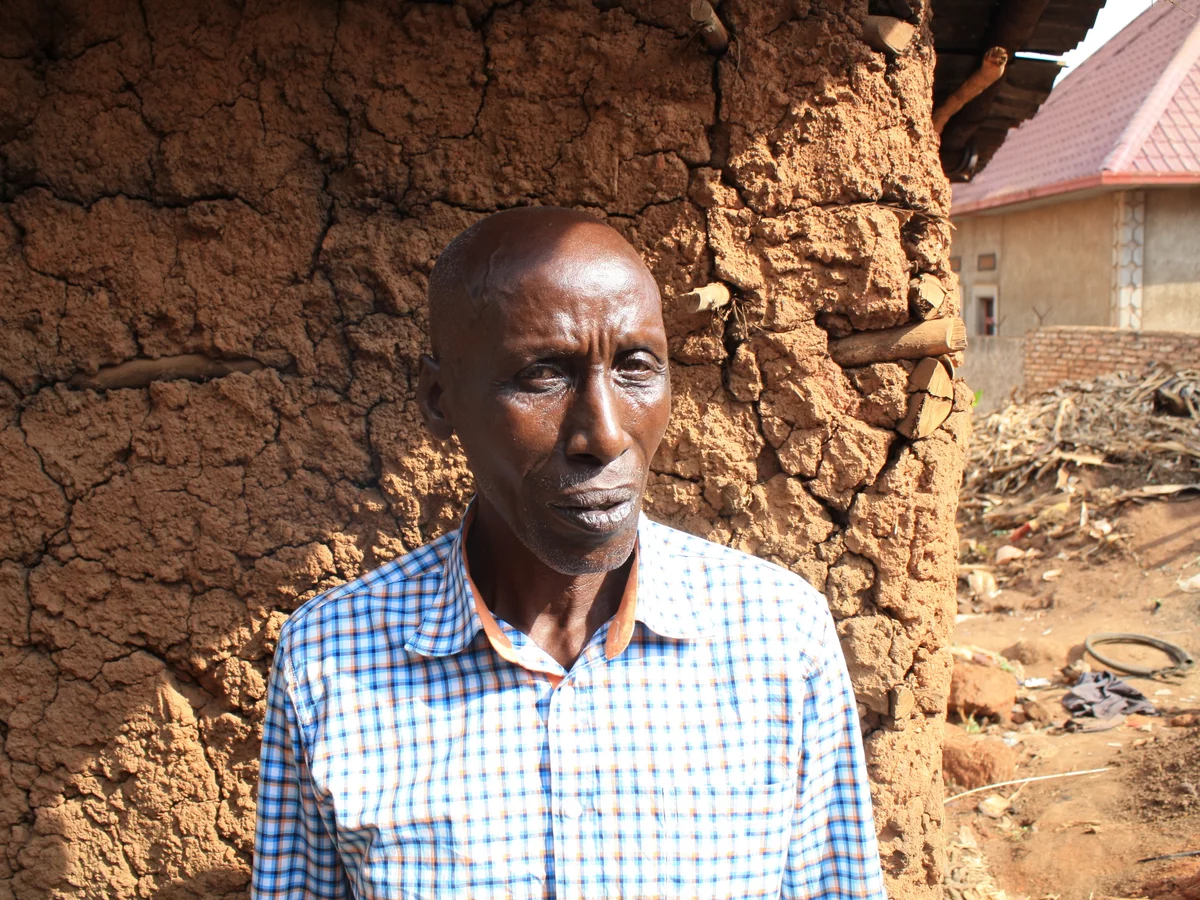
One survivor, Innocent Gasinzigwa, who lost his entire family during the genocide, was interviewed and asked how he moves on from the genocide in Rwanda. He answered, “All of what they did, all of the killing — they didn’t get anything from it,” he says. “For my heart to be cleansed, the only way is forgiveness.” He seems aware that this may be difficult for outsiders to comprehend, so he continues to explain. “It’s the only way to do it,” he says. If he didn’t forgive, the hate would only fester and turn toward vengeance, and then he would be no better than they were. “For me, it’s the only way — it’s the only thing I can do, to forgive” (2020 NPR interview).